Awning Windows
 Bay/Bow Windows
 Casement Windows
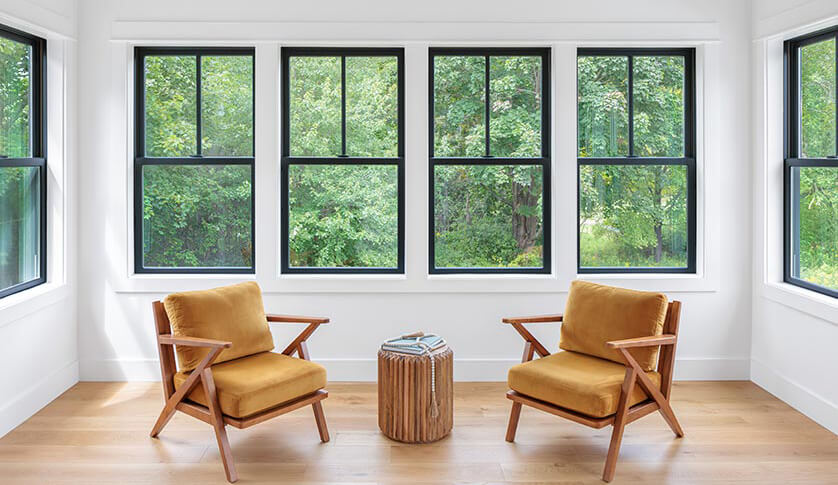
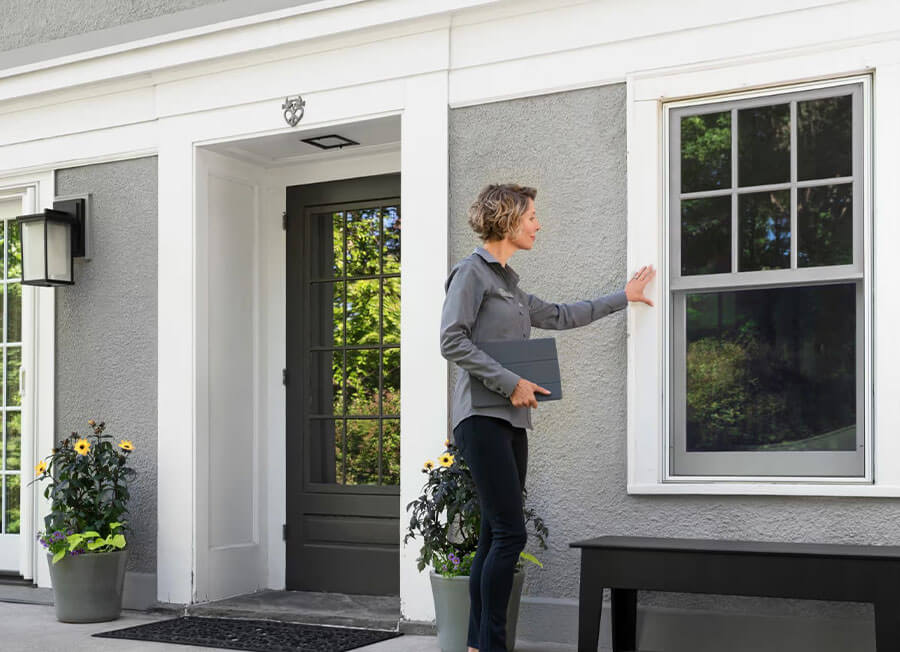
 Double Hung
 Picture Windows
 Sliding Windows
 Specialty Windows
 Entry Doors
 Patio Doors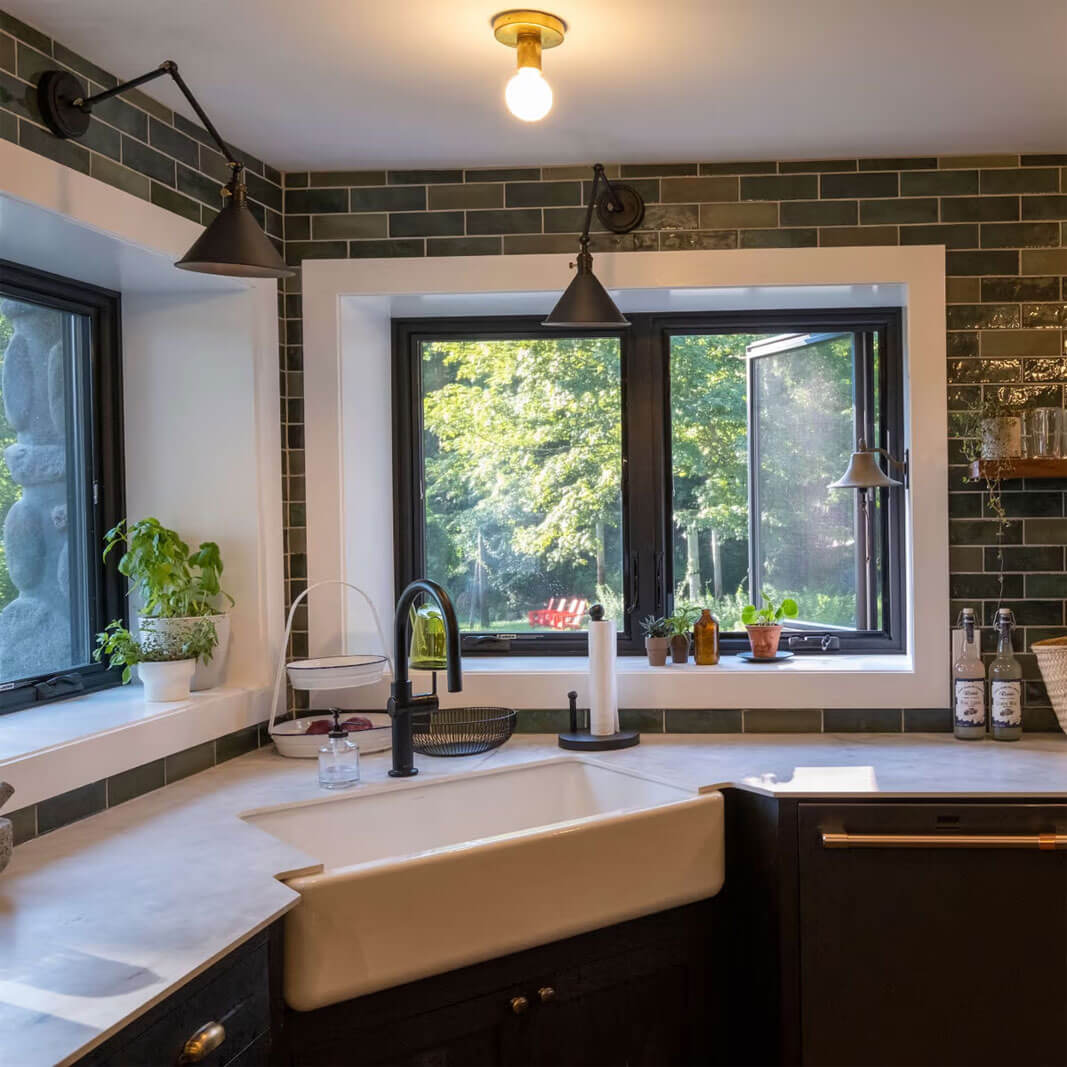
Double-hung and casement windows are two of the most popular choices for replacement windows. Both are great options — the right one depends on the room, the opening and how you want the window to work.
Double-hung windows
A double-hung window has two sashes that slide up and down. You can open the bottom sash, the top sash, or both, which makes it easy to let in fresh air while keeping the opening out of reach of small children. Many double-hung windows also tilt in for easier cleaning.
- A classic look that suits traditional and older homes
- Doesn’t swing out, so it works next to walkways, decks and patios
- Pairs well with grilles for a traditional style
Casement windows
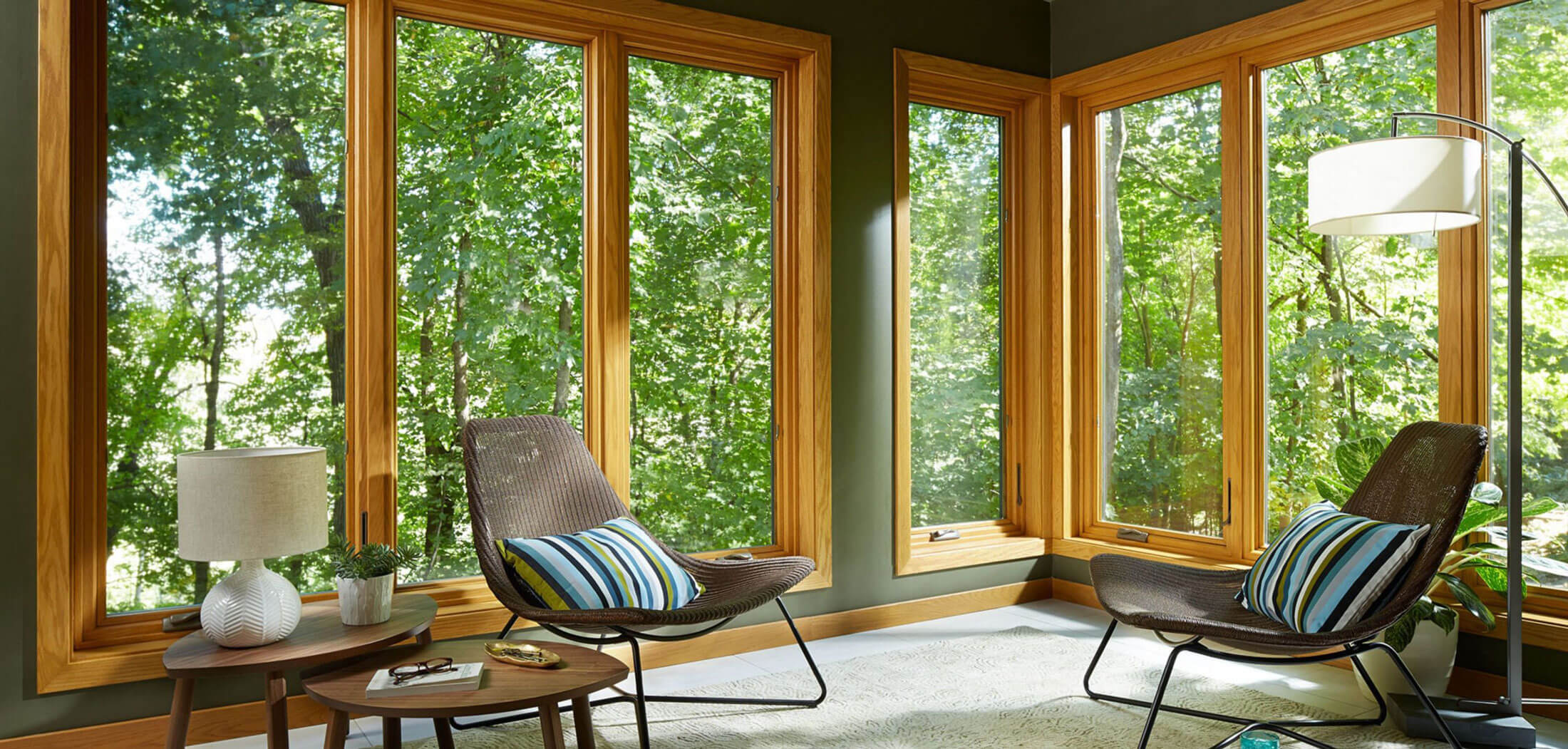
A casement window is hinged on one side and cranks outward. With no meeting rail across the middle, it gives you an uninterrupted view, and when it’s open it can catch a breeze and direct it inside.
- Clean, unobstructed glass for a more contemporary look
- Easy to open with a crank — great over a sink or counter
- Seals tightly against the frame when it’s closed
Which one should you choose?
Think about where the window is. Over a kitchen sink or a deep counter, a casement’s crank is much easier to reach than a double-hung sash. Facing a deck or walkway, a double-hung won’t swing into the path. And if you want to keep the look of an older home, double-hung windows often match the original style.
You don’t have to choose just one. Many homes use both — double-hung windows in bedrooms and living areas, and casements in the kitchen. Our design consultants can walk through each room with you and show you the options in person.